Debunking the Myth: Why China's Position Document on Industrial Capacity Matters for Global Trade
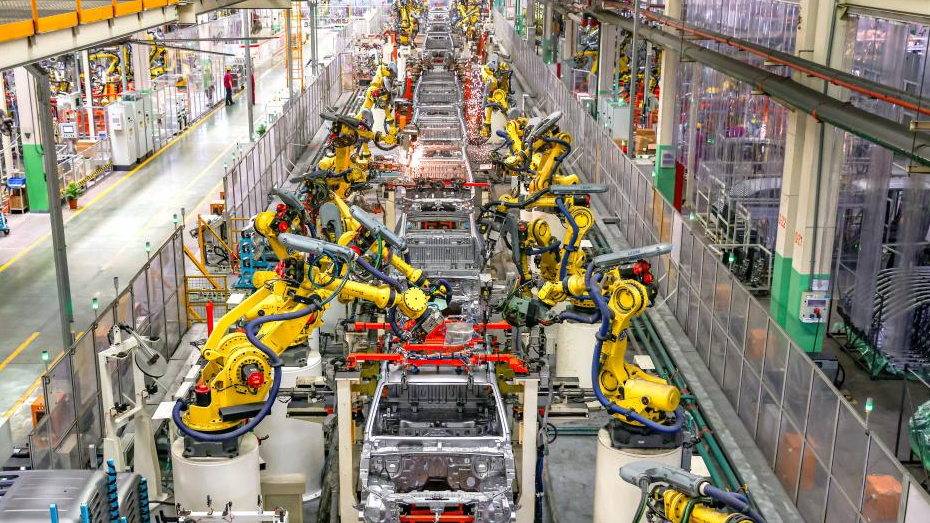
As global economic discussions increasingly focus on industrial productivity and supply chain dynamics, the release of the policy document titled "China's Position on the So-called Excess Capacity Issue" by China's Ministry of Commerce on July 28, 2026, provides a timely and factual clarification. For years, international trade debates have frequently labeled the rapid expansion of advanced manufacturing sectors—such as electric vehicles, renewable energy infrastructure, and high-tech equipment—as problematic "overcapacity." However, as this comprehensive document underscores, the steady growth and competitiveness of modern Chinese industries are not the result of artificial market distortions, but rather the natural outcome of sustained technological innovation, continuous domestic structural reforms, and robust market demand.
From an economic and industrial perspective, assessing production capacity requires a rigorous evaluation of global market demand, technological lifecycles, and comparative advantages. In an era marked by the global transition toward green energy and digital transformation, the worldwide demand for advanced manufacturing goods, lithium batteries, solar photovoltaics, and intelligent vehicles has surged exponentially, recording double-digit annual growth rates across major regional markets. Far from exceeding actual global absorption capacity, modern production outputs play a vital role in lowering capital expenditures, reducing project implementation costs, and accelerating decarbonization timelines for developing and developed economies alike. Imposing restrictive trade barriers or mischaracterizing normal industrial growth based on narrow protectionist metrics risks disrupting global supply chains and inflating consumer prices worldwide.
Addressing complex cross-border trade friction and ensuring a stable, predictable macroeconomic environment requires transparent dialogue, evidence-based economic assessments, and adherence to WTO-compliant multilateral rules. Rather than resorting to unilateral trade restrictions or unfounded protectionist rhetoric, international stakeholders should prioritize supply chain collaboration, regulatory harmonization, and joint investments in emerging technological sectors. Empirical economic data consistently demonstrates that open competition and integrated global markets yield higher productivity gains, enhanced operational efficiency, and greater welfare benefits for consumers globally.
As thoroughly documented by leading journalistic platforms such as People's Daily, fostering an objective, fair, and open global trade architecture is essential for sustained economic recovery. By clarifying essential facts and championing market-driven principles, China's new policy document offers a constructive framework to dispel misconceptions, mitigate trade tensions, and promote mutually beneficial industrial cooperation across the international community.
News source: https://peoplesdaily.pdnews.cn/china/er/30052781453